

Article 4 Min read
A Professional's Guide to Premium Angus Beef
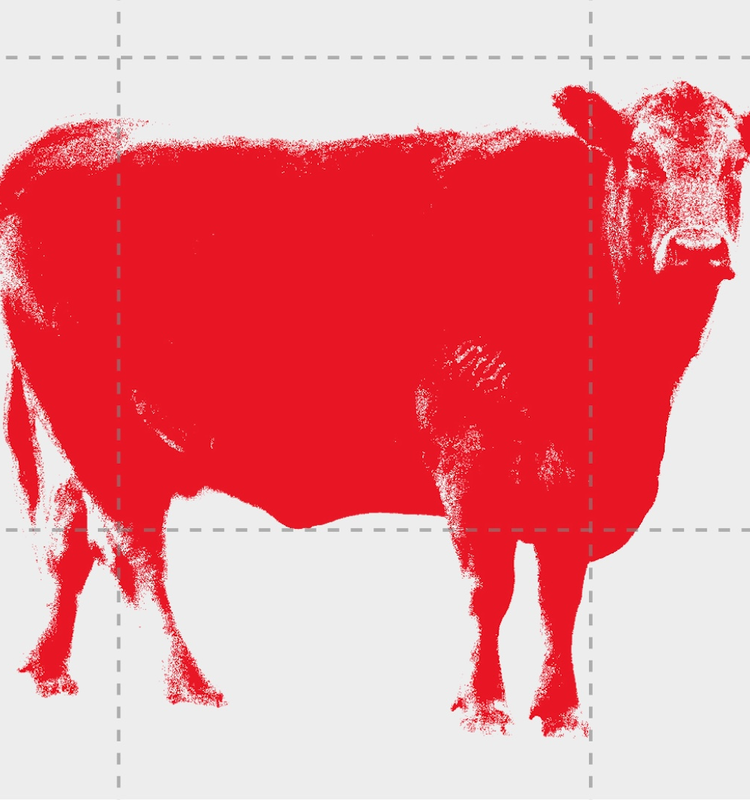
Angus cattle are a globally sought-after breed, recognised for producing high-quality beef suitable for a wide range of international markets. This guide provides professionals in the culinary and meat retail sectors with a technical understanding of the key attributes, production systems, and quality assurance frameworks that define premium Angus beef, deconstructing the elements behind its reputation for consistent excellence.
The Hallmarks of a Superior Angus Carcase
The global reputation of Angus beef is built upon a specific and consistent set of carcase characteristics that differentiate it in the marketplace. Understanding these attributes provides a clear benchmark for assessing quality and predicting culinary performance. The primary hallmarks of a superior Angus carcase are as follows:
- Intramuscular Marbling: A key genetic predisposition of the breed, this refers to the fine veins of fat distributed within the muscle. This characteristic develops during the finishing phase and is a primary determinant of the final product's flavour, juiciness, and the overall eating experience.
- Tenderness and Texture: The breed is known for inherent qualities of tenderness and a fine meat texture, which are highly valued by consumers and culinary professionals.
- Meat and Fat Colour: The specific colour of both the meat and the external fat serve as critical visual indicators of the animal's diet, age, and pre-slaughter health.
- High Muscling and Moderate Maturity: These traits contribute directly to excellent carcase quality and desirable yields, ensuring an efficient conversion from live animal to final product.
It is precisely these inherent genetic qualities that grant the Angus breed its signature adaptability, allowing producers to leverage different finishing programmes to meet specific market demands.
Global Market Versatility and Finishing Programmes
A key commercial advantage of the Angus breed is its remarkable adaptability, which stems from its diverse genetic base and environmental hardiness. This versatility allows producers to strategically select finishing programmes to unlock specific genetic potential and target a wide spectrum of international markets. Production can be broadly categorised into two approaches: pasture-finishing programmes, which are suitable for producing everything from domestic steers to heavy, grass-fed bullocks for export, and intensive feedlot systems. The latter is a strategic choice for targeting premium markets that value specific attributes. For instance, the breed's genetic capacity for consistent growth and its ability to lay down high levels of intramuscular marbling make it the ideal candidate for the long-fed Japanese feedlot market, which places a high premium on these exact qualities.
The Framework of Integrity: Traceability and Quality Assurance
Producing world-class beef consistently depends not only on the genetic potential of the animal but also on a robust framework of integrity. This system is essential for meeting global food safety standards and satisfying customer demands for verifiable product information, with modern beef production relying on comprehensive traceability systems to ensure this accountability. Using the Australian model as a case study, these systems operate from the farm through to the processor under independently audited Quality Assurance (QA) programmes, ensuring standards are maintained at every stage.
The technological backbone of this framework is a 'whole of life' electronic tagging system. Under a national programme such as the National Livestock Identification System (NLIS), each animal receives an electronic tag linked to a unique Property Identification Code. This tag, which utilises radio frequency technology, allows the animal's movements to be recorded in a central database throughout its life, providing processors and regulators with quick and easy access to individual animal data and ensuring full traceability. This commitment to systemic integrity is a prerequisite for market access, and it is intrinsically linked to the growing global demand for production systems that are not only traceable but also ethically and environmentally sustainable.
Foundations of Consistent Quality: Genetics and Sustainability
The long-term success and quality consistency of the Angus breed are underpinned by two key pillars: a strong, diverse genetic base and a commitment to sustainable production principles. The breed benefits from an immense pool of available genetics, a strength bolstered by Australian breeders who have successfully utilised bloodlines from many countries to respond to new commercial demands. Furthermore, Angus cattle are known to thrive in a wide range of climates, from cold and wet temperate regions to hot and dry environments. This significant environmental adaptability makes the breed a reliable and resilient investment for producers across diverse geographical and climatic zones.
Beyond genetics, the principles of sustainable beef production are central to the breed's modern identity. These tenets are built on a commitment to managing environmental, economic, and social factors, including managing greenhouse gas emissions, protecting water and land resources, and upholding high standards of animal welfare.
Conclusion: A Synthesis of Nature and System
Premium Angus beef represents a synthesis of superior genetic potential and uncompromising systemic rigour. The breed's natural predisposition for exceptional intramuscular marbling, tenderness, and high carcase quality provides the foundation for excellence. This potential is fully realised through the rigorous application of comprehensive traceability and quality assurance systems. It is this synthesis of nature and system that allows the breed to consistently meet the high standards of culinary professionals and discerning consumers worldwide.